
Views: 0 Author: Site Editor Publish Time: 2026-01-01 Origin: Site


As devices become smaller, high-performance PCBs are in demand. Blind and buried vias allow for better routing and space efficiency.
In this article, we will explain what these vias are, how they work, and their importance in HDI designs. You’ll understand their advantages and differences.
By the end, you will know how these vias affect PCB design. Learn more about our products at Ruomei Electronic.
Blind vias are a type of via that connects an outer layer of a PCB to one or more inner layers but does not extend all the way through the board. These vias are crucial in high-density interconnect (HDI) designs, where space on the outer layers is limited. Blind vias are commonly used in compact devices like smartphones, wearables, and medical devices, where the outer layers are needed for other components or signals, ensuring that no space is wasted.
Buried vias, in contrast, are entirely located within the internal layers of the PCB. These vias do not appear on the outer layers, making them invisible and more space-efficient. They are typically used in multi-layer designs where the goal is to maximize the routing capability and save space on the external layers for additional components. Buried vias are especially useful in complex electronic devices that require high-density routing and better performance, such as advanced consumer electronics and industrial systems.
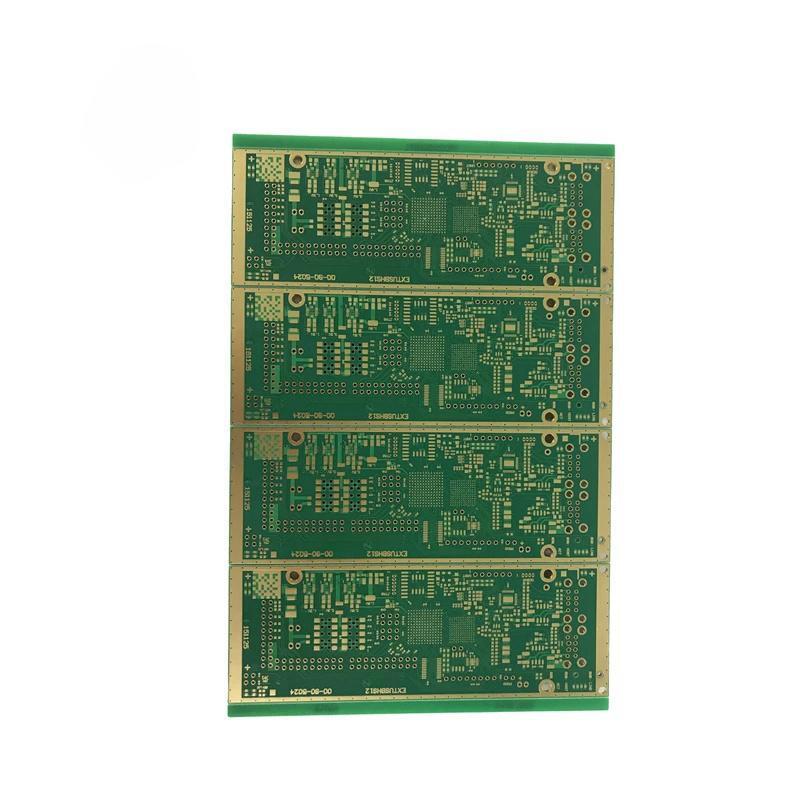
One of the main advantages of blind and buried vias is their ability to allow for a higher density of wiring and components within a limited space. This feature is particularly important in HDI PCBs, where devices are expected to accommodate more components in smaller footprints. Blind and buried vias make this possible by optimizing the use of available space, allowing designers to fit additional layers and routes.
By minimizing the length of the signal paths, blind and buried vias help reduce signal reflections, crosstalk, and noise, which is critical in high-speed designs. These vias can lead to more stable and efficient electrical connections, improving overall signal integrity. This is especially important in high-frequency applications, where even slight signal degradation can affect performance.
Using blind and buried vias allows designers to reduce the overall footprint of a PCB. These vias help save valuable space, enabling the creation of more compact, lightweight designs. For devices that require small form factors—such as wearable electronics, smartphones, or compact medical devices—blind and buried vias are essential for achieving high-density layouts without sacrificing functionality or performance.
Blind and buried vias provide PCB designers with greater flexibility when optimizing layer stack-ups and routing. These vias allow designers to utilize the inner layers effectively, leaving outer layers open for other components, signal traces, or power planes. This flexibility helps ensure that the PCB design can meet performance requirements while maintaining a compact and manufacturable layout.
Creating blind and buried vias involves several detailed steps, each essential for ensuring precision and functionality in the final PCB:
1. Laser Drilling: Laser drilling is frequently used for creating blind vias, as it offers high precision. This method allows manufacturers to drill accurate hole sizes and depths without damaging the PCB. It ensures that the vias are drilled precisely, which is especially important for high-density designs.
2. Sequential Lamination: For buried vias, multiple layers of the PCB are laminated together. After each lamination, vias are drilled to connect the internal layers. This process allows buried vias to be hidden within the layers, maximizing the available surface area for components.
3. Plating and Filling: Once drilled, the vias are plated with copper to ensure electrical conductivity. This process is followed by filling the vias with conductive or non-conductive epoxy, depending on the design requirements. The epoxy helps strengthen the vias mechanically and can enhance the overall durability of the PCB.
Manufacturing blind and buried vias involves several challenges that require careful attention to detail:
● Precision Drilling: Blind vias need precise hole depth control to prevent signal degradation. If a via is drilled too deep, it could interfere with other layers or cause signal loss, which affects the overall performance of the PCB. High-precision machinery is essential to meet these demands.
● Cost Considerations: The manufacturing process for blind and buried vias is more complex than traditional through-hole vias. The additional steps involved—such as laser drilling, sequential lamination, and plating—can increase the production cost by 15-25%. These costs must be factored into the overall design and production budget.
● Tighter Tolerances: HDI designs often involve smaller hole sizes and narrower trace widths, which require advanced manufacturing techniques. Maintaining tight tolerances during drilling and plating is crucial to ensure that vias meet the required performance standards. These processes demand specialized equipment and skilled technicians to achieve high-quality results.
Step | Blind Vias | Buried Vias |
Drilling Method | Laser drilling for precision | Sequential lamination and drilling |
Plating and Filling | Copper plating for conductivity | Epoxy or copper fill for mechanical strength |
Complexity | Relatively simpler to manufacture | More complex and time-consuming process |
Cost | Less expensive and faster to produce | Higher cost due to complexity and more steps |
Feature | Blind Vias | Buried Vias |
Location | Connects outer layer to inner layers | Only connects internal layers |
Visibility | Visible on the outer layer | Hidden within the board |
Common Applications | High-density designs with limited space | High-performance, internal layer connections |
Cost and Complexity | Easier and less expensive to manufacture | More complex and expensive to produce |
● Blind Vias: Best suited for connecting outer layers to one or more inner layers, particularly in designs where outer layer space is at a premium.
● Buried Vias: Ideal for connecting internal layers without affecting the outer layers, commonly used in multi-layer designs where space and routing density are essential.
Proper design for blind and buried vias requires a combination of strategies to ensure both manufacturability and performance. The following steps are essential:
1. Minimizing Via Stubs: Via stubs occur when a via does not fully extend through the PCB. They can cause signal integrity issues. When possible, use back drilling to remove unused portions of vias to improve signal flow and reduce the length of the vias.
2. Optimizing Layer Stack-Up: Planning the layer stack-up is crucial for minimizing the need for long vias. Keep high-speed signals on adjacent layers to reduce the length of vias. Proper stack-up design helps ensure that signal integrity is maintained and reduces the risk of crosstalk or interference.
3. Design for Manufacturability (DFM): It is vital to work closely with the manufacturer to ensure the design can be easily and efficiently produced. Follow industry standards for via size, spacing, and pad design. Ensuring your design is optimized for manufacturability can avoid delays and unnecessary costs during production.
● Use Microvias for HDI Designs: Microvias are smaller, finer vias that are commonly used in high-density interconnect (HDI) designs. They help maintain consistent impedance and are suitable for applications requiring high performance in small form factors.
● Avoid Via Placement Between Surface-Mount Pads: When designing your PCB, avoid placing vias between the pads of surface-mount components. This placement can lead to soldering issues and flux interference during the assembly process.
● Collaborate Early with Manufacturers: Start the collaboration early with the PCB manufacturer to review design specifications and make adjustments. This early communication helps avoid design-related delays and costly revisions during the manufacturing process.
Tip | Description |
Microvia Use | Utilize microvias to maintain signal integrity |
Avoid Via Placement Between Pads | Prevent interference with surface-mount component pads |
Early Collaboration | Work closely with manufacturers to ensure manufacturability |
HDI (High-Density Interconnect) PCBs are essential in devices that require both compactness and high performance, such as smartphones, wearables, and advanced medical equipment. Blind and buried vias play a crucial role in these designs by enabling increased routing density without sacrificing performance. These vias allow for more efficient use of the available space, reducing the overall size of the PCB while maintaining signal integrity. By providing a way to interconnect layers without consuming valuable surface area, blind and buried vias make it possible to design smaller, yet powerful, devices that meet modern demands for speed, power, and miniaturization.
As the demand for smaller, faster, and more powerful electronics grows, via technology continues to evolve to meet these challenges.
● Stacked Microvias: These are used to connect multiple layers within a compact space. Stacked microvias are highly effective for increasing routing flexibility, improving the density of connections, and enabling more complex designs. They play a key role in next-generation HDI designs where space is limited, but performance requirements are high.
● Advanced Materials: New dielectric materials are being developed to improve the performance of vias. These materials help reduce signal loss and improve the electrical properties of via structures. As a result, they enable faster, more reliable signal transmission, which is critical for high-speed applications. These advancements in materials will continue to enhance the overall performance and reliability of PCB designs, particularly in the evolving field of HDI PCBs.
Blind and buried vias play a crucial role in high-density PCB designs, allowing for compact layouts without compromising performance. Understanding their applications and manufacturing processes enables designers to create cutting-edge devices. By mastering these via technologies, designers can ensure efficient, high-performance designs. Products from Ruomei Electronic offer superior performance, meeting the evolving demands of modern electronics with innovative solutions.
A: Blind vias connect outer layers to inner layers, while buried vias connect only internal layers. Both are used to optimize space and improve routing in high-density designs.
A: These vias increase routing density, reduce signal interference, and help create more compact PCBs, especially in designs with limited space like smartphones or medical devices.
A: Blind and buried vias minimize the length of signal paths, reducing reflections, crosstalk, and noise, which enhances signal integrity in high-speed PCB designs.
A: Blind and buried vias enable higher component density, reduce board size, and improve routing efficiency, making them essential in high-performance HDI PCB designs.


