
Views: 0 Author: Site Editor Publish Time: 2025-12-19 Origin: Site


Printed Circuit Boards (PCBs) are essential to modern electronics. They power everything from smartphones to industrial machines. Without PCBs, devices wouldn’t function as efficiently.
This article explores the diverse uses of PCBs in different industries. You’ll learn how they enhance electronics, from consumer gadgets to medical devices.
At Ruomei Electronic, we provide high-quality PCBs for reliable, efficient products. Learn more about our products today.
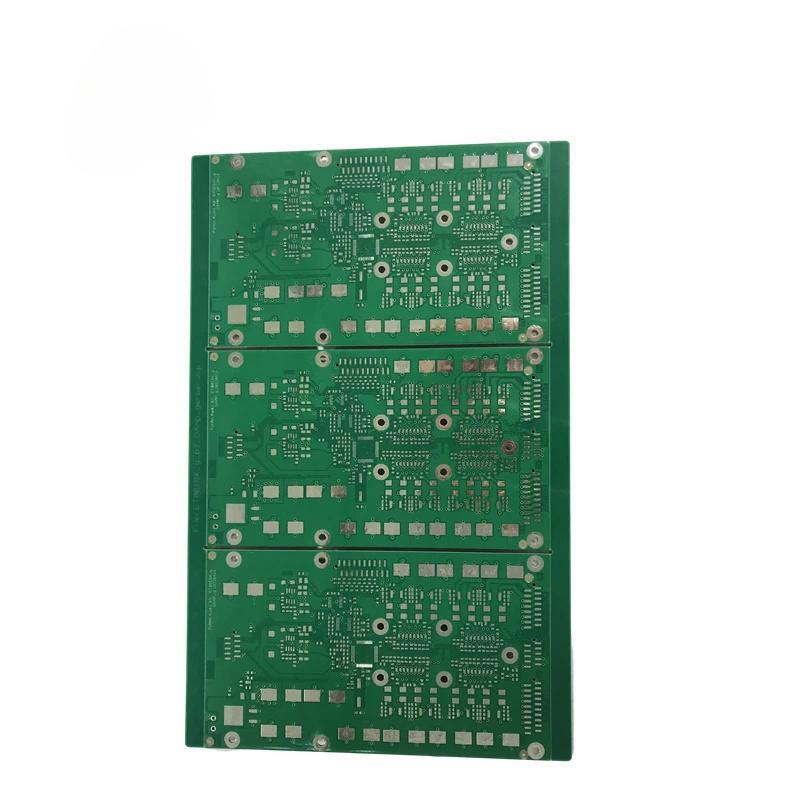
A Printed Circuit Board (PCB) is a flat, insulated board that provides mechanical support and electrical connections for electronic components. These components are connected by copper traces or pathways, which act as conductors for signals and power. PCBs are essential in ensuring the proper functioning and communication of components within electronic devices. They help to organize and route electrical signals efficiently, making them fundamental to the operation of nearly all modern electronic systems.
PCBs come in various types, depending on the complexity of the circuit and the device it powers. These include:
● Single-sided PCBs: These have copper traces on only one side of the board. They are typically used in simpler devices where the circuit design is relatively basic.
● Double-sided PCBs: Copper traces are found on both sides of the board, which allows for more complex designs and greater functionality. These are often used in devices where space is limited but more components are needed.
● Multi-layer PCBs: These boards stack several layers of copper and insulating material to accommodate more complex circuits. Multi-layer PCBs are used in advanced electronics, including high-performance computing systems, medical devices, and telecommunications equipment.
PCB Type | Features | Common Uses |
Single-sided | Copper traces on one side | Simple electronics like toys, light bulbs |
Double-sided | Copper traces on both sides | Consumer electronics, basic devices |
Multi-layer | Multiple layers of copper for complex circuits | High-end electronics, computers, medical devices |
PCBs are found in virtually all consumer electronics, powering devices that we use daily. For instance:
● Smartphones and Tablets: PCBs allow these devices to function efficiently by connecting various internal components like processors, memory, and displays. Without PCBs, these devices wouldn’t be as compact or reliable.
● Computers and Laptops: The motherboard of a computer is essentially a PCB, handling data processing and connecting internal devices such as the hard drive, RAM, and display. PCBs play a critical role in ensuring these components communicate seamlessly.
● Home Appliances: PCBs are used in appliances such as microwaves, refrigerators, and coffee makers, enabling them to perform complex functions with minimal space. They control everything from temperature regulation to safety mechanisms in these devices.
PCBs play a crucial role in the medical industry by ensuring the reliability and accuracy of diagnostic and monitoring equipment. Common applications include:
● Heart Rate Monitors: PCBs power devices that track vital signs, ensuring precise and real-time data. Their accuracy is critical for effective patient monitoring.
● MRI and CT Scanners: PCBs are involved in processing the images and coordinating functions within these complex machines. They support high-speed data transfer and ensure the proper functioning of diagnostic equipment.
● Pacemakers and Insulin Pumps: In implantable medical devices, PCBs ensure safe, reliable performance for life-saving treatments. These devices rely on PCBs to monitor and regulate critical bodily functions, improving patient outcomes.
In modern vehicles, PCBs are embedded in a variety of systems to enhance functionality, safety, and efficiency. These include:
● Engine Management Systems: PCBs help manage fuel injection, engine speed, and other critical functions. They play a key role in optimizing engine performance and fuel efficiency.
● Infotainment Systems: The electronic components in car entertainment systems are all connected via PCBs, providing seamless integration of navigation, audio, and video features.
● Advanced Driver Assistance Systems (ADAS): PCBs support systems like automatic parking, collision sensors, and lane-keeping assist, improving vehicle safety and making driving more convenient.
Device | PCB Function | Importance |
Smartphones | Connects internal components like CPU, memory | Compact, efficient design |
Computers/Laptops | Data processing, power distribution | Performance and reliability |
Microwaves | Controls temperature and power | Efficient operation and safety |
In aerospace, PCBs must endure extreme conditions such as high radiation, temperature fluctuations, and vibrations. These boards are essential in ensuring the proper functioning of critical systems. Some common applications include:
● Navigation Systems: PCBs connect components that guide aircraft and spacecraft, ensuring precise positioning and control.
● Communication Equipment: PCBs are integral to maintaining reliable signal transmission in both military and commercial communication systems. Their role is crucial in ensuring communication during high-stakes operations.
● Satellites and Control Surfaces: In spacecraft, satellites, and flight instrumentation, PCBs enable critical systems to perform under harsh environmental conditions. They ensure that sensitive electronics operate reliably, even in the vacuum of space.
PCBs are vital in supporting high-speed communication systems, ensuring stable data flow and signal integrity. These boards are used in various critical telecom applications, including:
● Cell Towers and 5G Equipment: PCBs are key in cell towers and 5G infrastructure, maintaining high-frequency signal integrity and supporting reliable, fast connectivity for modern communication systems.
● Satellite Communication: In satellite communication, PCBs provide stable, consistent signal pathways, ensuring clear and uninterrupted transmission across vast distances. These systems rely on the reliability and durability of PCBs to operate effectively in space environments.
PCBs are crucial for shrinking electronic devices while maintaining their performance. Unlike traditional wiring, which can be bulky and inefficient, PCBs offer compact, organized pathways that enable more complex electronics to fit into smaller spaces. This makes them essential in everything from smartphones to medical devices, where space is limited, yet functionality must remain high.
PCBs play a significant role in reducing manufacturing costs. Their mass production allows for large-scale, automated fabrication, which lowers labor costs. Additionally, PCBs reduce the chances of assembly errors, improving overall reliability and efficiency in production. This cost-effectiveness is especially important in industries that require high-volume production, such as consumer electronics and automotive systems.
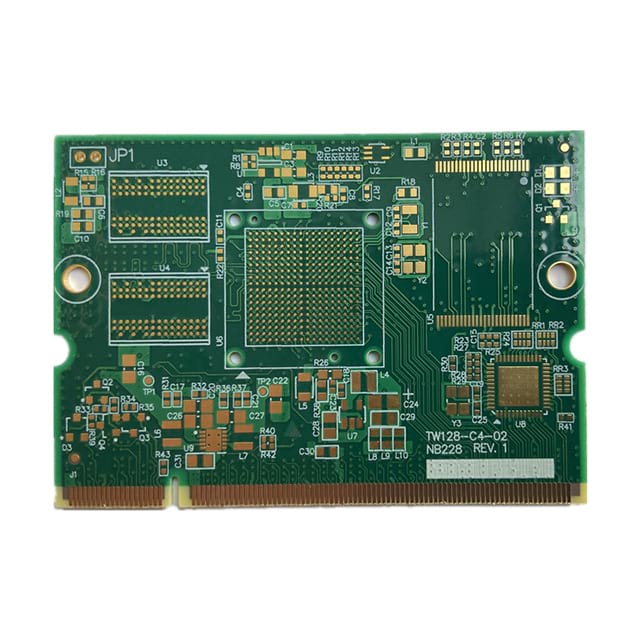
One of the primary reasons PCBs are so widely used is their ability to integrate electronic components into a small, compact space. By reducing the need for bulky wiring, PCBs allow manufacturers to design smaller, lighter devices that take up less space. This compactness enhances functionality while maintaining portability, making PCBs ideal for a wide range of products, from mobile phones to medical devices, where size and ease of use are crucial factors.
PCBs offer a stable foundation for electronic components, improving the overall reliability of devices. When properly designed and manufactured, PCBs minimize the risk of errors or failures caused by poor connections or weak solder joints. Furthermore, PCBs can be engineered to withstand challenging environments, such as extreme temperatures, moisture, and vibrations, ensuring that the devices remain operational over a long period. This durability is especially important in mission-critical industries like aerospace, automotive, and healthcare.
The mass production of PCBs is a key factor in reducing manufacturing costs. Automated fabrication processes allow for the efficient and cost-effective production of high-quality PCBs at scale. This mass production reduces the reliance on manual labor and minimizes human errors. For industries that require large quantities of components, such as consumer electronics and automotive sectors, PCBs offer significant savings without sacrificing quality. The efficiency of PCB production also allows for quicker turnaround times, which is essential for competitive markets.
The demand for smaller, more powerful electronic devices is driving the development of increasingly compact PCBs. As technology advances, the need for miniaturization becomes more critical, especially in devices like wearables, IoT gadgets, and smartphones. Flexible PCBs are already being developed to meet these requirements. They allow for more compact designs without sacrificing performance. As the trend toward miniaturization continues, PCBs will play a pivotal role in enabling even smaller and smarter electronic devices, offering high performance in increasingly limited spaces.
The rise of new technologies, such as 5G, artificial intelligence (AI), and electric vehicles (EVs), is pushing the demand for more advanced PCBs. These technologies require faster, more efficient, and durable PCBs. In the case of electric vehicles, PCBs are essential for managing battery systems, controlling power distribution, and ensuring the proper functioning of safety systems. For 5G networks, PCBs are integral in supporting high-speed data transmission and maintaining signal integrity. As these industries continue to expand, PCBs will remain central to supporting the performance of next-gen devices.
To meet the evolving demands of new technologies, the materials and manufacturing techniques used for PCBs are undergoing significant changes. Future innovations might involve materials like graphene, which could offer improved electrical conductivity and performance at smaller sizes. Additionally, as sustainability becomes increasingly important, eco-friendly PCB manufacturing techniques may emerge. These innovations will not only improve the performance and reliability of PCBs but also help reduce their environmental impact. As these advancements unfold, PCBs will continue to be a crucial component in driving the next generation of electronics.
Printed Circuit Boards (PCBs) are crucial in powering everything from consumer electronics to aerospace systems. They ensure efficient and reliable device performance by connecting and supporting electronic components. As technology evolves, so will PCBs, enabling innovative products and systems.
Ruomei Electronic provides high-quality PCBs that meet the needs of various industries. Our products ensure reliability and efficiency, making them ideal for your next project.
When designing products that require PCBs, consider partnering with a reliable manufacturer like Ruomei Electronic to ensure high performance and cost-efficiency in your projects.
A: PCBs are used to connect and support electronic components in devices like smartphones, computers, and medical equipment, ensuring efficient and reliable performance.
A: PCBs enable compact, reliable designs in consumer electronics, improving device functionality and performance while saving space.
A: PCBs are crucial in medical devices for ensuring precision, reliability, and safety in equipment like heart monitors and pacemakers.
A: PCBs are cost-effective due to automated mass production, reducing assembly errors and ensuring reliable performance at lower costs.


